MDSManage
 May 21, 2026
MDSManage There is nothing quite like the sinking feeling of switching on a key piece of equipment and realising it is not working. The chair will not move. The compressor sounds wrong. The dental imaging unit refuses to start. Patients are in the waiting room, the schedule is full, and suddenly your entire day feels uncertain.
Emergency breakdowns are not just inconvenient. They disrupt patient flow, affect staff morale, and can damage the reputation you have worked hard to build. In a busy dental or medical practice, operational uptime is everything. The good news is that emergency repairs do not have to mean chaos. With the right approach to equipment reliability, rapid response support, and preventative maintenance, practice continuity can be protected even when things go wrong.
Unplanned downtime costs more than just a few cancelled appointments. It affects the entire rhythm of your practice. A single equipment failure can lead to missed appointments, patient dissatisfaction, revenue disruption, and compliance risk.
When essential systems fail, the ripple effect spreads quickly:
Unplanned downtime costs are often underestimated. Many practices only recognise the true impact when they experience a reactive maintenance situation that could have been avoided through predictive maintenance or scheduled servicing.
Operational resilience is not about hoping equipment will keep working. It is about planning for the reality that breakdowns can and do happen.
Emergency breakdowns rarely appear without warning. In many cases, small issues develop over time. Worn components, skipped service intervals, ignored warning signs, and inconsistent equipment calibration all contribute to unexpected failures.
Common triggers include:
High risk equipment types such as dental chairs, compressors, suction systems, autoclaves, imaging units, and CBCT systems are particularly vulnerable if maintenance is inconsistent. Cross equipment diagnostics and regular reliability checks reduce the chance of emergency call out servicing.
Equipment lifecycle management plays a critical role. Understanding when components are likely to fail allows proactive identification of faults rather than reactive breakdown response.
Preventative maintenance is not just about ticking a compliance box. It is about uptime optimisation. Regular servicing ensures functional performance checks, equipment calibration, and safety inspections are completed before small issues become large disruptions.
Preventive maintenance schedules typically include:
The difference between reactive maintenance and proactive servicing is simple. Reactive maintenance responds after the breakdown. Preventative maintenance aims to avoid unexpected breakdowns altogether.
Below is a comparison of how service strategy influences practice outcomes.
| Service Approach | Risk Level | Downtime Impact | Practice Outcome |
| Reactive breakdown response | High | Significant interruption | Appointment disruption and stress |
| Emergency call out servicing only | Moderate to high | Reduced but unpredictable | Temporary recovery |
| Preventative maintenance schedules | Low | Minimal | Stable patient flow |
| Predictive maintenance and lifecycle planning | Very low | Rare interruptions | Long term operational resilience |
Practices that invest in preventative service contracts consistently report fewer breakdowns and smoother daily operations.
A strong downtime prevention strategy combines preparation with rapid emergency support services. It is not enough to simply have a technician on call. The goal is to maintain patient schedule integrity and minimise appointment disruption.
Key components include:
Loan equipment availability is often overlooked. Having replacement units available while repairs are completed prevents cancellations and protects revenue continuity.
The following table highlights how specific service features link directly to business continuity.
| Service Feature | Practice Outcome | Operational Benefit |
| Rapid emergency repairs | Downtime minimised | Maintains patient flow |
| Loan or replacement equipment | Minimal cancellations | Schedule stability |
| Scheduled preventative servicing | Fewer breakdowns | Extended equipment life |
| Manufacturer trained technicians | Reliable fixes | Quality assurance and compliance |
| Functional testing and calibration | Early issue detection | Reduced surprise failures |
| Safety inspections | Regulatory compliance | Reduced compliance risk |
Equipment reliability services are not just technical support. They are a safeguard for your entire business model.
In Australia, healthcare providers are expected to maintain equipment in safe working order. Standards from bodies such as the Australian Dental Association and guidance from the Australian Health Practitioner Regulation Agency reinforce the importance of safe, reliable equipment.
Failure to maintain equipment can create compliance issues, particularly if safety checks and calibrations are not documented. Regular inspections, performance tests, and authorised servicing reduce regulatory risk and demonstrate due diligence.
Compliance is not about paperwork alone. It is about ensuring patient safety and staff confidence every single day.
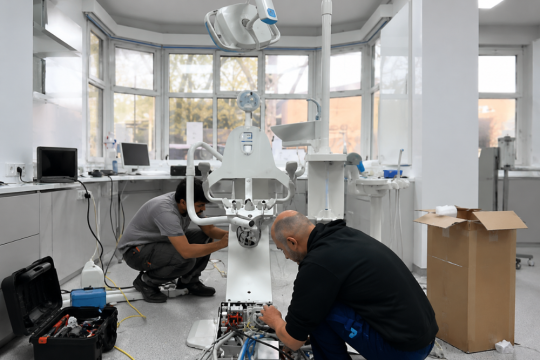
Even with the best preventative maintenance plan, emergency equipment repair may still be required. When that happens, speed matters.
Emergency support services should offer:
The goal is not just to fix the equipment. It is to restore operational uptime as quickly as possible.
Practices that rely on general service providers without specialist training often experience longer delays. Authorised service agents with manufacturer specific expertise can reduce repair time significantly and ensure quality fixes.
When it comes to keeping practices running smoothly, Medical Dental Solutions stands out as a dedicated partner in equipment reliability and emergency repair support. Their approach goes beyond simple repairs. It focuses on proactive servicing, rapid response emergency breakdown support, and comprehensive maintenance planning designed specifically for dental and medical environments.
Medical Dental Solutions provides manufacturer authorised servicing, functional testing, calibration, and safety inspections, along with access to hire equipment during repairs. This means minimal appointment disruption and stronger patient scheduling continuity. Their skilled technicians use advanced diagnostic testing and cross equipment diagnostics to identify issues early and reduce the likelihood of repeat breakdowns.
For practices that value operational resilience and uptime optimisation, partnering with Medical Dental Solutions is not just a service decision. It is a strategic move towards long term stability, patient satisfaction, and business continuity.
References
Australian Dental Association resources on practice standards and equipment maintenance
Australian Health Practitioner Regulation Agency guidance on professional standards and patient safety
Australian Commission on Safety and Quality in Health Care standards relating to safe systems and risk management
These frameworks reinforce the importance of preventative maintenance, documentation, and rapid response planning in protecting both patients and practitioners.
1. What is the difference between reactive and preventative maintenance?
Reactive maintenance responds after equipment failure occurs. Preventative maintenance involves scheduled inspections, calibration, and servicing designed to reduce the risk of unexpected breakdowns.
2. How often should dental equipment be serviced?
Service frequency depends on manufacturer recommendations and usage levels. Most high use equipment benefits from regular service intervals combined with documented performance checks and safety inspections.
3. What is predictive maintenance?
Predictive maintenance uses performance monitoring and lifecycle management to anticipate potential faults before they cause equipment failure.
4. Why is loan equipment important during emergency repairs?
Loan equipment helps maintain patient scheduling continuity and reduces cancellations while repairs are completed.
5. How can service logs help prevent downtime?
Equipment service logs track maintenance history, identify recurring issues, and ensure compliance with manufacturer servicing requirements.
6. What should a practice look for in an emergency repair provider?
Look for rapid response time, authorised service technicians, diagnostic expertise, access to loan equipment, and a clear focus on minimising downtime impact.