MDSManage
 October 30, 2024
MDSManage 
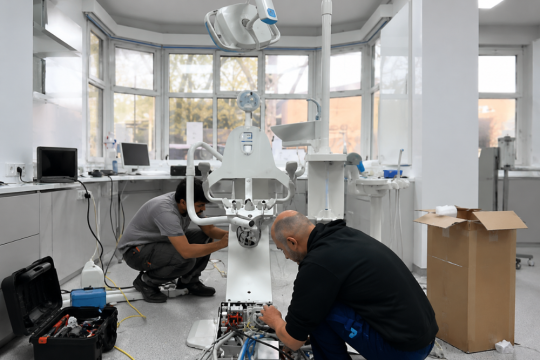
In the fast-paced environment of healthcare, the proper installation of medical equipment is critical to the efficiency and safety of clinical operations. Professional installation ensures that all equipment functions optimally, meets compliance standards, and ultimately contributes to the quality of patient care. Whether you’re setting up a new clinic or upgrading existing facilities, investing in professional installation services can have far-reaching benefits.
Safety is paramount in any healthcare setting. Proper installation by qualified technicians minimises the risk of accidents and injuries associated with poorly set up equipment. Equipment such as diagnostic machines, surgical instruments, and patient monitoring systems must be installed following specific safety guidelines. According to the Australian Commission on Safety and Quality in Health Care, improper use of medical devices can lead to significant risks, including patient harm (Australian Commission on Safety and Quality in Health Care, 2020).
When equipment is professionally installed, it operates at peak efficiency. Technicians ensure that all devices are correctly calibrated and configured, which directly impacts their performance. For example, diagnostic machines require precise settings to produce accurate results. Studies have shown that well-calibrated equipment not only improves diagnostic accuracy but also enhances overall patient outcomes (Health Technology Assessment, 2019).
Compliance with health and safety regulations is a legal requirement for clinics. Professional installation ensures that equipment meets all local, state, and federal regulations. In Australia, healthcare facilities must adhere to guidelines set forth by the Therapeutic Goods Administration (TGA) and other regulatory bodies. Non-compliance can result in penalties, legal liabilities, and compromised patient safety (Therapeutic Goods Administration, 2023).
The efficiency of your clinic is greatly influenced by the downtime associated with equipment setup. Professional technicians can quickly and efficiently install equipment, reducing the time the clinic is out of operation. A study by the Institute of Medicine found that minimising downtime in healthcare settings is crucial for maintaining operational efficiency and improving patient care delivery (Institute of Medicine, 2018).
Professional installers bring a wealth of knowledge to the table. Their expertise allows them to provide insights into the best placement and configuration of equipment, ensuring that the clinic’s workflow is optimised. This expert guidance can significantly enhance the operational efficiency of the clinic. Additionally, they can foresee potential issues and address them before they become problematic, ensuring a smoother installation process.
Choosing professional dental installations often includes ongoing support and maintenance services. Technicians are available to assist with troubleshooting and repairs, ensuring that the clinic’s equipment continues to function effectively over time. This kind of support can be invaluable, particularly for complex machinery that requires regular maintenance and calibration.
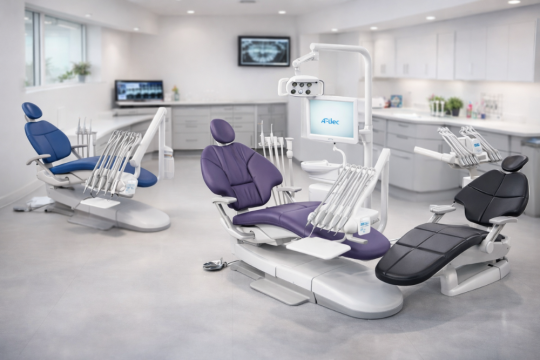
Proper installation can extend the lifespan of medical equipment. When devices are correctly set up, they are less likely to experience malfunctions and breakdowns. For instance, if a dental chair is installed incorrectly, it may wear out more quickly due to undue stress on certain components. Regular maintenance provided by professional installers can further enhance equipment longevity, saving clinics from the costs associated with early replacement.
Several types of medical equipment benefit from professional installation:
| Feature | Professional Installation | DIY Installation |
| Expertise | Highly trained technicians | Varies; often less experienced |
| Safety Compliance | Ensures compliance with regulations | Risk of non-compliance |
| Time Efficiency | Quick setup with minimal downtime | Potentially lengthy delays |
| Warranty Validation | Maintains warranty status | May void warranties |
| Post-Installation Support | Ongoing maintenance support | Limited or no support |
| Cost Implications | Higher upfront costs, lower long-term costs | Lower upfront costs, higher risks |
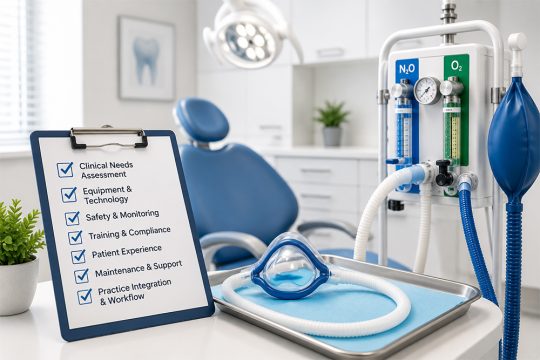
When planning for equipment installation, consider the following:
| Consideration | Details |
| Equipment Type | Ensure installers are familiar with specific equipment. |
| Installation Environment | Assess the clinic layout and environmental requirements. |
| Compliance Requirements | Check local regulations for installation standards. |
| Future Scalability | Plan for potential future expansion or upgrades. |
| Budgeting | Include installation costs in the overall equipment budget. |
In summary, the significance of professional equipment installation in healthcare cannot be overstated. From enhancing safety and compliance to improving operational efficiency, the benefits are extensive. Professional installers not only ensure that equipment is set up correctly but also provide ongoing support and expertise that contribute to the longevity and reliability of your medical devices. By choosing to invest in professional installation, clinics can minimise downtime, safeguard patient safety, and ultimately enhance the quality of care they provide. These factors collectively underscore the importance of having skilled professionals handle the intricate setup of medical equipment, paving the way for optimal performance and patient satisfaction.
For clinics seeking to enhance their operational efficiency, safety, and compliance, investing in professional equipment installation is a smart decision. At Medical Dental Solutions, we provide expert installation services tailored to the specific needs of your clinic. Our team is committed to ensuring that your equipment functions optimally, paving the way for quality patient care and seamless clinic operations.
Reference Section
1. What types of clinics benefit from professional equipment installation?
Clinics of all types, including dental, surgical, and diagnostic facilities, can benefit from professional installation to ensure safety and compliance.
2. How can I ensure that my clinic is compliant with local regulations?
Consult with professional installers familiar with local health and safety regulations to ensure compliance during equipment setup.
3. What is the typical timeframe for professional equipment installation?
The timeframe varies depending on the type and amount of equipment but generally ranges from a few hours to a couple of days.
4. Can I install medical equipment myself?
While DIY installation is possible, it carries risks, including potential non-compliance with safety regulations and equipment malfunction.
5. What ongoing support should I expect from professional installers?
Many professional installation services offer ongoing maintenance support, troubleshooting assistance, and periodic equipment check-ups.
6. How does professional installation affect the longevity of medical equipment?
Proper installation reduces wear and tear on equipment, helping to extend its lifespan and improve reliability.
You must be logged in to post a comment.