MDSManage
 March 28, 2025
Access to quality dental care is essential for maintaining oral health, yet many individuals struggle to visit a traditional dental clinic. Mobile dentistry has emerged as a transformative solution, bringing on-site dental care directly to communities that need it most. Through portable dental equipment, dental van clinics, and remote oral health services, this innovative approach ensures that preventive, restorative, and emergency dental treatments are accessible to all.
This article explores how mobile dental services operate, their benefits, challenges, and the key services they offer. We will also examine the target demographics for mobile dentistry and the technological advancements making this model increasingly effective.
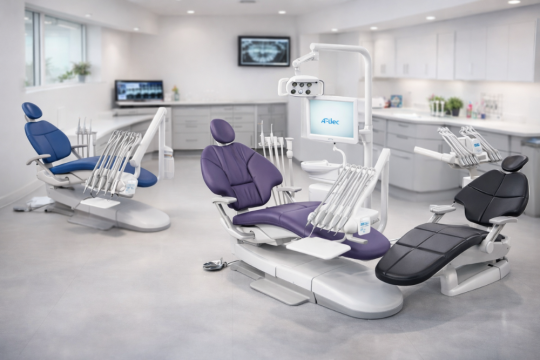
Mobile dentistry refers to the delivery of professional dental services outside traditional clinics, using specially equipped dental vans, portable adec dental chair, and advanced sterilisation units. It caters to various populations, including elderly individuals, school children, remote communities, and corporate employees, ensuring that essential dental care is within reach.
Mobile dentistry relies on a structured approach to ensure efficiency:
Mobile dentistry covers a wide range of services, from preventive care to restorative procedures and emergency treatments.
| Service Type | Details |
| Preventive Care | Dental cleanings, fluoride treatments, oral hygiene education. |
| Diagnostic Services | Oral exams, digital X-rays, and early disease detection. |
| Restorative Care | Fillings, crowns, and minor restorative procedures. |
| Emergency Treatment | Pain relief, tooth extractions, infection control. |
| Paediatric Dentistry | School visits, fissure sealants, and cavity detection. |
| Geriatric Dental Care | Nursing home visits, denture fittings, and oral hygiene. |
| Tele-Dentistry | Virtual consultations for diagnosis and follow-ups. |
Mobile dental services target individuals who face barriers to traditional dental care. These include:
| Benefit | Explanation |
| Greater Accessibility | Brings care to those who struggle with transportation. |
| Time-Saving | Reduces patient travel and waiting times. |
| Affordable | Lowers overall costs compared to traditional dental visits. |
| Ideal for Special Needs | Comfortable, personalised care for vulnerable groups. |
| Promotes Preventive Care | Helps prevent dental issues before they worsen. |
Additional Benefits
While mobile dentistry offers many benefits, it also faces some challenges.
| Challenge | Possible Solution |
| Limited Equipment | Investing in advanced portable dental technology. |
| Logistical Issues | Efficient scheduling and transport planning. |
| Regulatory Compliance | Adhering to state and federal health laws. |
| Patient Awareness | Community outreach and education programs. |
| Operational Costs | Seeking funding through grants or partnerships. |
Technological advancements are revolutionising mobile dentistry, making treatments more efficient and accessible.
For dental professionals looking to expand mobile dental services, having the right equipment and financing options is crucial. Medical Dental Solutions provides expert guidance on securing funding, investing in portable dental units, and acquiring high-quality equipment to support on-the-go dental care. Whether setting up a dental van clinic or implementing tele-dentistry solutions, they offer tailored financial strategies to help practices grow and reach more patients. Contact Medical Dental Solutions today to explore how mobile dentistry can benefit your practice.
References
1. What types of dental treatments are offered through mobile dentistry?
Mobile dentistry offers preventive care (cleanings, fluoride), diagnostics (X-rays, exams), restorative treatments (fillings, crowns), and emergency services.
2. Is mobile dentistry safe and hygienic?
Yes, mobile dentistry follows strict infection control protocols, using portable sterilisation units and disposable instruments.
3. Can mobile dentists provide complex procedures like root canals?
Some mobile dental units are equipped for advanced treatments, but cases requiring surgical intervention may be referred to a clinic.
4. Who qualifies for mobile dental services?
Mobile dentistry is ideal for elderly, disabled, schoolchildren, corporate employees, and rural communities with limited access to dental clinics.
5. How do I book a mobile dental appointment?
Appointments can be booked via community health organisations, private providers, or workplace wellness programs.
6. How is mobile dentistry different from traditional clinics?
The key difference is convenience and accessibility, as mobile dentistry brings on-site care to patients rather than requiring travel to a clinic.