MDSManage
 September 25, 2024
In today’s fast-paced medical landscape, the role of medical supplies in delivering quality healthcare is paramount. From diagnostic tools to therapeutic devices, medical supplies ensure the efficient and safe treatment of patients while maintaining cost-effectiveness. This article delves into the seven major roles of medical supplies, offering a comprehensive understanding of their contributions to quality healthcare and how they help in ensuring patient safety, efficient care, and clinical accuracy.
Medical supplies form the backbone of diagnostic procedures, enabling healthcare professionals to detect diseases early and accurately. Diagnostic tools, such as stethoscopes, thermometers, and dental imaging machines like MRI and X-ray equipment, allow for the early detection of conditions that could escalate if not promptly identified.
For example, the Australian healthcare system places significant emphasis on diagnostic accuracy, as outlined in studies by the Australian Institute of Health and Welfare. Research shows that early detection of chronic diseases like cancer and cardiovascular conditions significantly improves patient outcomes. Medical supplies such as blood pressure cuffs, diagnostic kits, and blood glucose meters are indispensable in clinical settings. These tools facilitate reliable diagnoses, allowing clinicians to provide early interventions that reduce complications.
Diagnostic support, a key function of medical supplies, is fundamental in ensuring that healthcare professionals can make informed decisions, which improves treatment outcomes. Without high-quality diagnostic equipment, misdiagnosis and delayed interventions would occur, undermining healthcare quality.
| Category | Example Items | Primary Use |
| Diagnostic Tools | MRI machines, blood pressure cuffs | Diagnose medical conditions |
| Surgical Instruments | Scalpels, sutures | Facilitate surgical procedures |
| Infection Control | Masks, gloves, disinfectants | Prevent the spread of infections |
| Patient Monitoring Devices | Heart monitors, glucose meters | Track patient vital signs and conditions |
| Therapeutic Devices | Ventilators, dialysis machines | Provide ongoing patient treatment |
| Emergency Supplies | Defibrillators, first aid kits | Handle urgent medical situations |
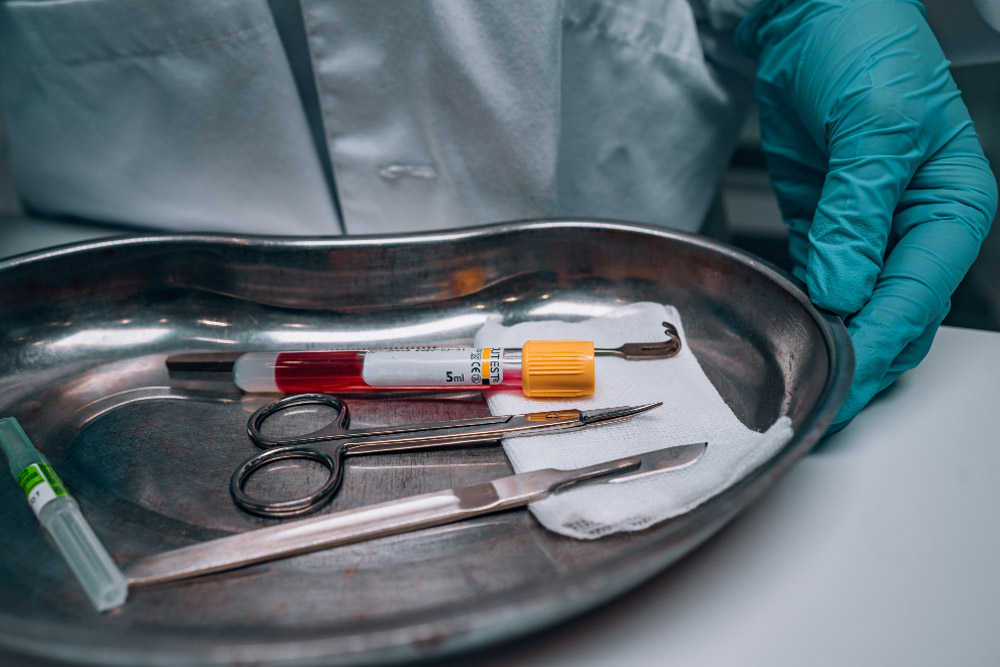
Medical supplies are integral in the treatment of illnesses and injuries, spanning from surgical instruments to medication delivery systems like syringes and IV drips. Surgical instruments such as scalpels, sutures, and forceps are essential in ensuring that surgeries are precise and effective, with minimal risk of infection.
In Australia, healthcare facilities adhere to strict surgical standards set by organisations such as the Australian Commission on Safety and Quality in Health Care (ACSQHC). High-quality medical supplies are necessary to meet these standards. For instance, ACSQHC requires that surgical tools must be sterile, durable, and reliable to ensure patient safety during procedures.
Additionally, medical supplies used for treatment also encompass therapeutic devices such as ventilators and dialysis machines. These devices help manage chronic conditions, allowing patients to maintain a high quality of life. Ventilators, especially in critical care, ensure that patients receive adequate oxygen, while dialysis machines perform life-saving functions for patients with kidney failure.
Infection control is a major concern in healthcare settings, and medical supplies such as sterile gloves, masks, and disinfectants play an essential role in preventing the spread of infections. Infection control has gained particular importance during the COVID-19 pandemic, where personal protective equipment (PPE) was critical in protecting both healthcare professionals and patients.
Studies have shown that the proper use of infection control supplies significantly reduces the incidence of hospital-acquired infections (HAIs). According to research published by the Australian Journal of Infection Prevention, effective use of PPE and other infection control supplies reduced the rate of HAIs in Australian hospitals by more than 40% during the pandemic. This underlines the critical role that infection control plays in maintaining quality healthcare and patient safety.
Supplies such as gowns, masks, and hand sanitisers are not just necessary in times of a pandemic; they are fundamental in everyday healthcare to prevent cross-contamination and the spread of infectious diseases, ensuring a safe environment for both healthcare workers and patients.
| Role in Healthcare | Description | Outcome in Quality Healthcare |
| Diagnostic Accuracy | Supplies like diagnostic kits improve accuracy | Early detection and better treatment planning |
| Infection Prevention | Sterile supplies reduce hospital-acquired infections | Safer healthcare environment |
| Surgical Success | High-quality instruments ensure precision | Fewer complications and faster recovery |
| Emergency Response | Readily available equipment in crises | Saves lives during critical conditions |
| Patient Comfort and Safety | Wheelchairs, patient lifts enhance mobility | Improved patient experience |
| Cost Efficiency | Durable, effective supplies lower overall costs | Affordable healthcare |
| Continuous Monitoring | Devices track vital signs | Better patient outcomes with real-time data |
Patient safety is another vital component of quality healthcare, and medical supplies are central to ensuring that patients are treated in a safe and controlled environment. From monitoring devices like heart rate monitors and pulse oximeters to mobility aids such as wheelchairs and patient lifts, medical supplies protect patients by keeping healthcare providers informed about their condition.
For example, monitoring devices track a patient’s vital signs in real-time, alerting medical staff to any changes that may indicate deteriorating health. In a clinical study published by Healthcare Australia, the use of continuous monitoring equipment reduced adverse events in high-risk patients by 30%.
Furthermore, patient safety extends to ensuring that patients can recover comfortably. Supplies such as wheelchairs and safety rails help prevent falls and injuries in healthcare settings. These tools not only improve the quality of care but also ensure that hospitals and clinics adhere to the best practices in patient safety as recommended by Safe Work Australia.
In the world of healthcare, quality does not have to come at an exorbitant price. The use of durable and high-quality medical supplies helps reduce overall healthcare costs by preventing errors, minimising complications, and promoting faster recovery. For example, high-quality surgical instruments result in fewer complications, reducing the need for repeat surgeries, which ultimately lowers costs for both healthcare providers and patients.
Cost-effectiveness in medical supplies is a critical aspect of healthcare in Australia, where the Medicare Benefits Schedule (MBS) encourages the use of durable and efficient supplies to manage public health costs. Research from Healthcare Management Australia suggests that using cost-effective, yet durable medical supplies can reduce healthcare expenditure by 15-20%.
Moreover, investing in quality supplies ensures fewer replacements and breakdowns, which contributes to long-term savings for healthcare institutions. As a result, cost-effective supplies improve the financial sustainability of healthcare services while maintaining high standards of care.
Efficiency is key to the smooth operation of any healthcare facility. Medical supplies like automated devices, such as infusion pumps, ventilators, and diagnostic machines, streamline healthcare processes by reducing manual interventions and allowing healthcare professionals to focus on patient care. Automated systems ensure consistent, precise administration of treatments, which leads to better patient outcomes.
In Australia, advancements in medical technology have transformed how healthcare is delivered. Automated supplies, including digital monitoring devices and robotics in surgery, enable faster, more accurate procedures. According to a report by the Australian Healthcare and Hospitals Association (AHHA), the integration of automated medical supplies has reduced patient wait times and improved clinical outcomes in several major hospitals.
Moreover, efficiency-enhancing supplies reduce human error, improving the overall quality of care. This is particularly important in busy clinical settings where time and precision are critical.
The availability of emergency medical supplies, such as defibrillators, first aid kits, and ventilators, is crucial in ensuring that healthcare facilities are prepared for emergencies. In high-pressure situations like cardiac arrests or respiratory failure, having access to the right supplies can mean the difference between life and death.
Emergency preparedness is a major focus of healthcare systems, and the National Health and Medical Research Council (NHMRC) of Australia mandates that healthcare providers maintain a ready supply of emergency equipment. This includes defibrillators, oxygen supplies, and emergency medication to ensure that urgent medical situations are handled swiftly and effectively.
Medical supplies designed for emergencies, such as portable ventilators and defibrillators, ensure that healthcare professionals can respond promptly to life-threatening conditions, reducing the risk of mortality and enhancing the overall quality of care provided in crisis situations.
In conclusion, the major roles of medical supplies—from diagnostic support to emergency readiness—are integral in ensuring the delivery of quality healthcare. By contributing to accurate diagnostics, effective treatment, infection control, patient safety, cost-efficiency, and clinical efficiency, medical supplies serve as the foundation upon which modern healthcare is built.
If you’re seeking advice or assistance in securing medical supplies or improving the financial sustainability of your healthcare practice, Medical Dental Solutions provides expert consultation and financial services to ensure that your facility is equipped with the best resources.
References:
1. Why are diagnostic tools considered essential medical supplies in healthcare?
Diagnostic tools, such as stethoscopes, MRI machines, and blood pressure cuffs, are essential because they enable healthcare professionals to detect diseases early and accurately. Early diagnosis leads to better treatment planning, allowing for timely interventions that can prevent complications and improve patient outcomes.
2. How do medical supplies help in infection control in healthcare facilities?
Medical supplies like gloves, masks, and disinfectants are crucial in infection control as they prevent the spread of infections within healthcare facilities. Sterile equipment and personal protective equipment (PPE) help reduce the risk of cross-contamination, ensuring a safer environment for both patients and healthcare providers.
3. What role do medical supplies play in improving patient safety?
Medical supplies, such as monitoring devices (e.g., heart rate monitors, pulse oximeters), wheelchairs, and patient lifts, contribute to patient safety by ensuring continuous monitoring of vital signs and preventing accidents like falls. These supplies allow healthcare professionals to quickly respond to changes in a patient’s condition and create a safer environment for recovery.
4. How do medical supplies enhance the efficiency of healthcare facilities?
Automated medical supplies, such as infusion pumps and ventilators, enhance clinical efficiency by reducing manual processes and providing consistent, precise treatment. These devices allow healthcare staff to focus more on patient care and less on routine tasks, improving overall productivity and patient outcomes.
5. Why is cost-effectiveness important in the selection of medical supplies?
Cost-effective medical supplies ensure that healthcare facilities can maintain high standards of care without incurring excessive expenses. By investing in durable, reliable supplies, healthcare providers reduce the need for frequent replacements, minimise complications, and prevent additional costs associated with medical errors or repeat procedures.
6. What types of medical supplies are vital for emergency preparedness?
Emergency medical supplies, such as defibrillators, first aid kits, and portable ventilators, are critical for responding to urgent medical situations. These supplies ensure that healthcare professionals can provide life-saving care during emergencies like cardiac arrests or respiratory failures, reducing the risk of mortality and improving patient outcomes in critical conditions.
You must be logged in to post a comment.